Video ·
What Does Home Mean to Us?
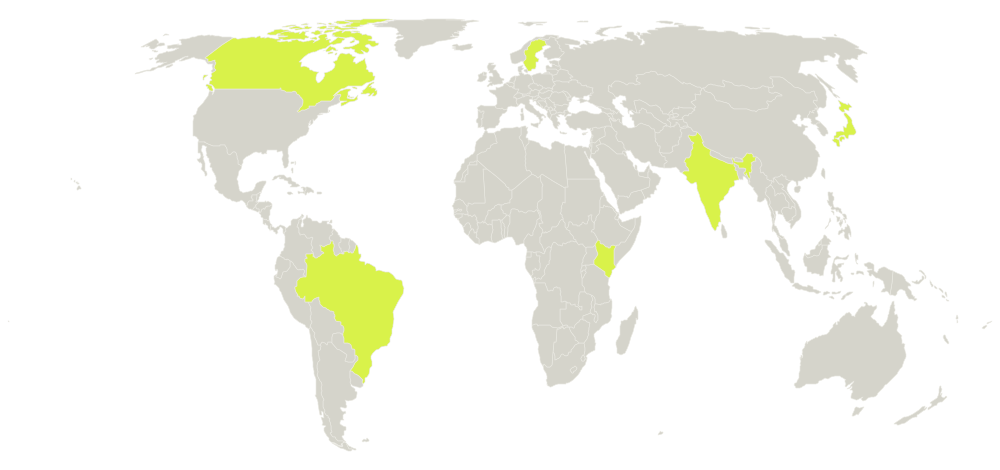
Six of us, in six countries, filmed the places and moments that feel like home. Then we compared notes.
By Lucas, Amani, Masah, Priya, Hana and Noah
Preview: all people and stories are placeholders
A digital anthropology exhibition · made by teenagers
6 young people in 6 countries, telling their own stories about everyday life. Not countries. Not stereotypes. Just people.
Theme · Home
Home can be a building, a smell, a language or a group of people. We asked each other what it really is.
Every theme starts with one question. People in 6 countries have answered this one, side by side.
Read the answersVideo ·
Six of us, in six countries, filmed the places and moments that feel like home. Then we compared notes.
By Lucas, Amani, Masah, Priya, Hana and Noah
Article ·
What is in our lunchboxes, who packed them, and what happens when you open yours in front of the class.
By Priya and Masah
Interview ·
An interview about switching languages mid-sentence, and the words that only exist in one of them.
By Amani and Noah
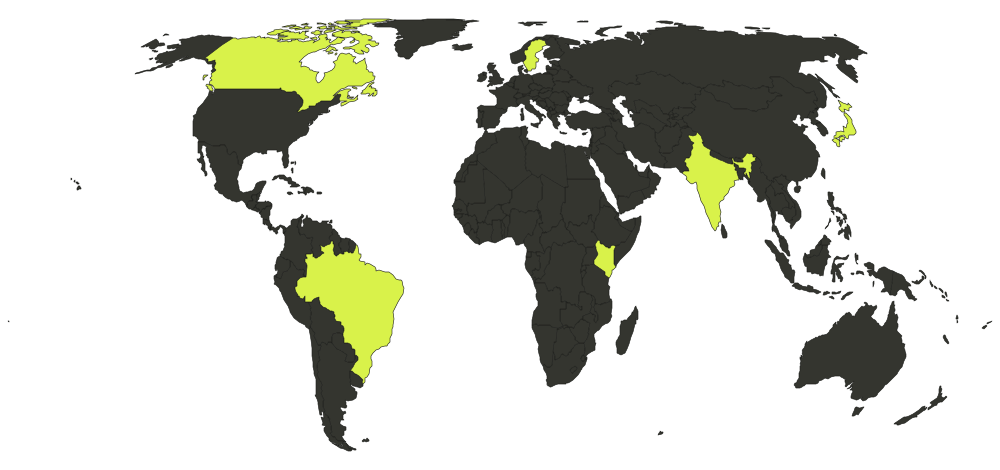
Brazil
Sample profile. Lucas is 15, plays futsal after school and is slowly teaching himself to cook his grandmother's feijão.
Kenya
Sample profile. Amani is 16, runs cross-country, and wants to be an engineer who builds bridges, the real kind.
India
Sample profile. Priya is 16, codes small games, and lives with her parents, grandparents and one very loud parrot.
Japan
Sample profile. Hana is 14, takes photos of snow and vending machines, and is learning English through song lyrics.
Canada
Sample profile. Noah is 15, plays hockey badly and video games well, and is learning French at school.
Sweden
Sample profile.
How we work
We tell our own stories. Nobody speaks for a whole country, and no story is the "typical" one.
Every theme starts with a single question. We answer it side by side so the differences and the similarities both show.
Teenagers choose the questions, film, write, edit and decide what gets published. Adults help, they do not direct.
Everyone chooses what to share. We use first names only, never schools or addresses, and anyone can withdraw a story.
Every story ends with three questions: what surprised us, what we assumed, and what we learned.